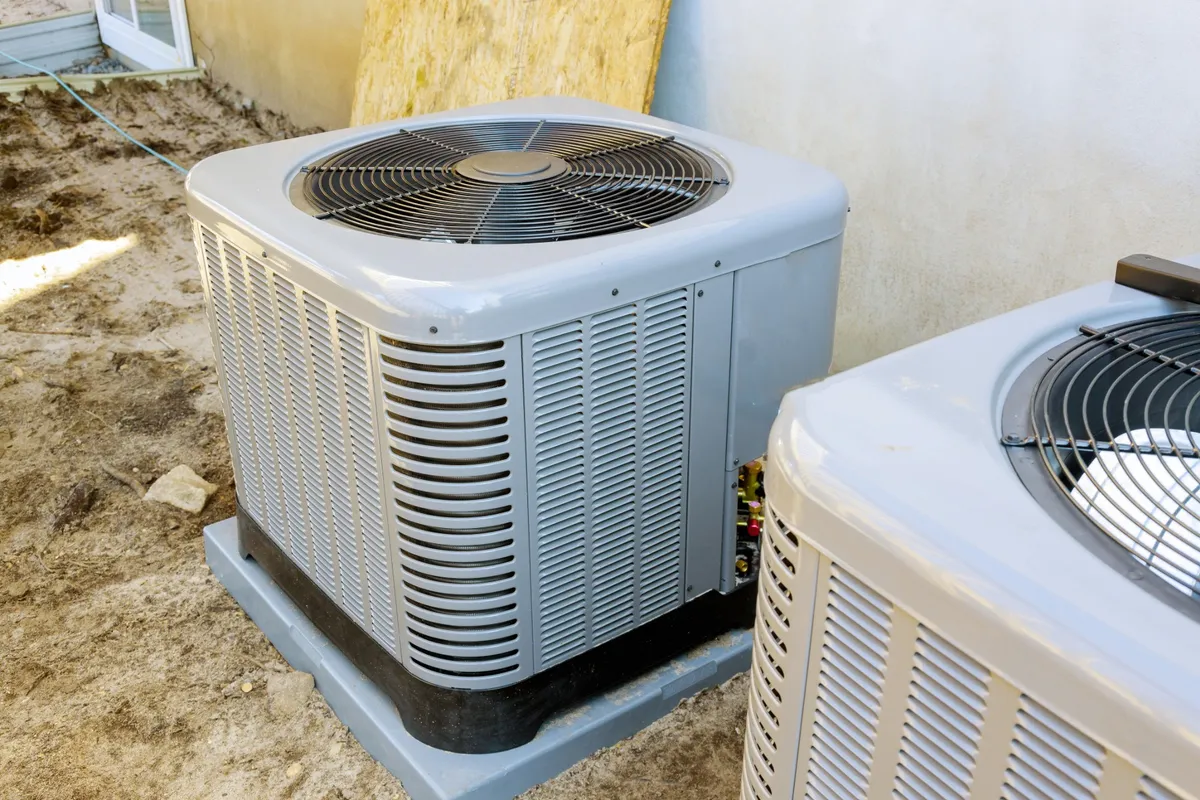
What details help diagnose an air conditioner that is not cooling?
An air conditioner that will not start, blows warm air, or cools unevenly needs diagnosis that distinguishes control and electrical faults from airflow, coil, or refrigerant-circuit problems. The service request can identify whether the system is central or ductless, which indoor areas are affected, and any recent change in sound or operation. Those details help define the testing required. Repair, maintenance, and replacement are separate decisions based on inspection findings and equipment condition.
Note whether the outdoor unit runs, whether a central system or individual ductless head is affected, and whether cooling changes over time. A diagnostic assessment may compare control signals, airflow, coil condition, and refrigerant-circuit measurements. For inverter-driven equipment, operating behavior and model-specific readings matter. These observations help separate a repairable electrical or airflow fault from a leak, compressor problem, or broader equipment concern.
Central air and ductless cooling symptoms
Coil, airflow, refrigerant, and inverter-driven system diagnosis
Repair and replacement considerations
Assessment and Scope
Questions for the Proposed Work
01
Separate central and ductless symptoms
A central air conditioner distributes cooling through ducts, so weak airflow at several registers differs from one room remaining warm despite normal airflow. A ductless system may have a problem isolated to one indoor head, such as dripping, icing, or reduced cooling. Inverter-driven compressors also vary output in ways that require model-specific diagnosis. Recording which zones are affected helps focus inspection on the correct part of the system.
02
Test coils, airflow, and refrigerant concerns
Dirty or obstructed coils and restricted airflow can impair cooling, while a refrigerant-circuit fault requires different testing. A low charge should not be treated as a routine top-up: inspection should look for evidence of leakage and establish whether repair is feasible. The model, refrigerant type, measured operating conditions, and coil condition affect the available repair choices. Maintenance should follow manufacturer instructions and inspection findings, not a fixed cleaning claim.
03
Use the fault and condition to weigh replacement
A confirmed electrical or control fault may call for a focused repair, whereas a compressor failure or recurring refrigerant leak can change the comparison. Replacement is a separate decision that depends on equipment condition, refrigerant availability, repair scope, and compatibility with existing controls and distribution. A written diagnosis should identify the tested fault and distinguish confirmed findings from possibilities before repair or replacement options are considered.
Compare the next step
List the office equipment, occupancy hours, and periods of direct sun. Ask whether the existing system is cooling normally elsewhere and what assessment is needed in the office. A useful proposal explains whether it addresses an AC fault, local heat gain, air delivery, or independent zone control.
Do not open electrical panels or handle refrigerant. If ice, water near electrical equipment, or abnormal operation is present, stop using the affected system and request an assessment.