Request furnace repair for a property in Cambridge. Include the equipment, the problem or planned work, and your location so the request can be reviewed.
What should I note before requesting furnace repair?
A furnace that will not start, produces unusual sounds, or leaves some rooms cooler needs diagnosis based on its symptoms and equipment type. The service request can note when the problem began, whether the system runs at all, and any displayed fault code. Those details help distinguish ignition or control faults from airflow, blower, condensate, or venting issues. Repair is different from replacement: the findings, equipment condition, and likely repair scope should inform that decision.
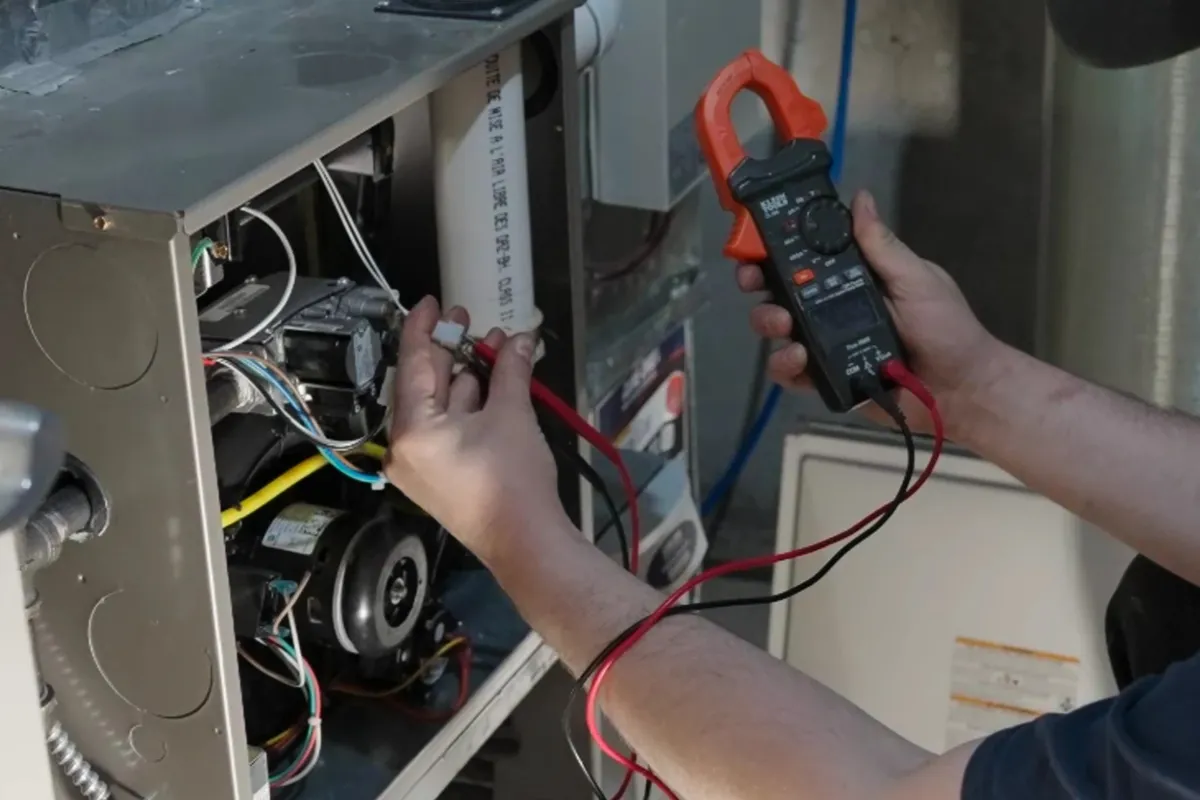
Useful observations include the thermostat setting, whether the furnace starts and then stops, any visible code, and which rooms are affected. A service assessment may compare electrical and control readings with combustion or pressure measurements where applicable. Filter condition, blower operation, condensate drainage, and duct static pressure can help determine whether restricted airflow is contributing to the fault.
Ignition, control, and safety-related no-start diagnosis
Airflow, blower, condensate, and duct-pressure checks
Repair-versus-replacement assessment
Assessment and Scope
Questions for the Proposed Work
01
Diagnose the fault before choosing a repair
A no-start condition can involve a control, ignition, fuel-delivery, or safety-related fault, while repeated stopping may point to a different sequence. Diagnostic readings from suitable instruments help locate the cause rather than replacing parts by guesswork. The furnace model, fuel type, fault history, and any displayed code matter because ignition and venting arrangements differ across equipment. Safety devices should be evaluated, not bypassed.
02
Check airflow and drainage when heating is uneven
Uneven heat or a furnace that stops during a cycle can warrant inspection of the filter, blower wheel, condensate drain, and duct pressure. Restricted airflow can affect operation and may resemble a component failure, so these observations change the repair scope. The furnace design matters: high-efficiency models produce condensate, while other configurations have different venting and drainage needs. Cleaning or replacing a filter should follow its instructions.
03
Compare repair with replacement using findings
A repair may be appropriate when testing identifies a specific fault and the remaining equipment condition supports continued service. Replacement becomes a separate consideration if major components are deteriorated, faults recur, or compatible parts are difficult to obtain. The furnace age alone does not establish the answer. A useful comparison records the confirmed fault, proposed work, system condition, and any venting or airflow changes a replacement would require.
Compare the next step
Describe whether the office is occupied with its door open or closed and whether other rooms reach their setpoint. Ask what measurements would distinguish a local delivery issue from a furnace fault. Compare a targeted distribution correction with equipment work using the same occupied-room comfort objective.
Leave burner, fuel, venting, electrical, and internal equipment work to a qualified contractor. Do not bypass a safety switch or repeatedly reset a furnace.